
The Influence of Nutrition on Hormonal and Physical Health in Women
Understanding the link between nutrition and hormonal balance is pivotal for women's health, as it significantly impacts body shape and overall well-being. Hormones, which function as messengers in the body, are highly sensitive to dietary habits and nutrition. A well-balanced diet that includes essential nutrients can promote hormonal harmony, which is crucial in managing body shape and metabolic processes. Women, in particular, experience various life stages such as menstruation, pregnancy, and menopause, where nutritional needs and hormonal balance play a substantial role.
Nutrition affects hormones through the intake of specific macronutrients and micronutrients. For instance, proteins, fats, and carbohydrates have distinct influence on hormone production and regulation. Healthy fats, like omega-3 fatty acids, are known to support hormone creation while promoting metabolic health. Additionally, nutrients such as vitamins and minerals via fruits and vegetables contribute to stabilizing hormonal levels, assisting in the optimal functioning of bodily systems. Dietary fiber also plays a critical role, as it aids in maintaining a healthy weight and can influence the body's insulin levels, which indirectly affect other hormones.
In summary, the relationship between nutrition and hormonal balance profoundly influences body shape and overall health in women. By understanding and applying the principles of a balanced diet rich in essential nutrients, women can potentially enhance their hormonal balance, leading to improved physical appearance, energy levels, and overall quality of life. While individual needs may vary, focusing on nutritional adequacy can serve as a cornerstone for maintaining hormonal health and achieving personal wellness goals without overt reliance on supplements or drastic dietary changes.
100% Balance

⚠️ IMPORTANT INFORMATION
PLEASE CONSIDER THIS INFORMATION CAREFULLY BEFORE MAKING ANY DECISIONS.
THE CONTENT PROVIDED HERE IS FOR INFORMATIONAL PURPOSES ONLY AND SHOULD NOT BE CONSIDERED AS PROFESSIONAL ADVICE. PRIOR TO MAKING ANY DECISIONS REGARDING HOW NUTRITION AFFECTS HORMONAL BALANCE AND BODY SHAPE IN WOMEN, PLEASE CONSULT WITH A QUALIFIED SPECIALIST OR PROFESSIONAL IN THE RELEVANT FIELD.
The Impact of Nutrition on Hormonal Balance and Body Shape in Women

Understanding the relationship between nutrition, hormonal balance, and body shape in women is a vital area of health research. Hormones play a significant role in regulating various body functions, including metabolism, mood, and physical appearance. Nutrition can have a profound impact on hormonal levels, which in turn can influence the body's structure and how it redistributes fat. As women navigate various life stages, from puberty to menopause, the interplay between diet and hormones becomes increasingly important in maintaining overall health and body composition.
The core aspects of how nutrition affects hormonal balance and body shape in women revolve around the types and quantities of nutrients consumed. Macronutrients such as carbohydrates, proteins, and fats, as well as micronutrients like vitamins and minerals, all contribute to hormone production and regulation. For instance, insufficient or excessive intake of certain nutrients can lead to hormonal imbalances, which might manifest in physical changes such as weight gain or loss, changes in fat distribution, and alterations in muscle mass. Additionally, eating patterns, including meal timing and frequency, can also play a role in maintaining hormonal harmony.
The value of investigating how nutrition affects hormonal balance and body shape in women lies in its potential to contribute to improved health outcomes. By gaining a clearer understanding of these interactions, women may be better equipped to make informed dietary choices that support their hormonal health and overall well-being. While individual needs may vary, recognizing the influence of nutrition on hormones underscores the importance of a balanced diet in promoting both physical health and a positive body image. Ultimately, this knowledge empowers women to consider how their nutritional choices can impact their bodies and health throughout their lives.
The Impact of Nutrition on Hormonal Balance and Body Shape in Women
Nutritional Influence on Hormonal Balance
The interplay between nutrition and hormonal balance in women is crucial, as it affects overall health and well-being. Hormones regulate a myriad of bodily functions and are influenced by the nutrients consumed. A balanced diet rich in essential nutrients can support healthy hormone production and secretion, minimizing imbalances that may lead to health issues.
Dietary choices can impact hormones such as estrogen, insulin, and cortisol, which play significant roles in women's health. For example, a diet high in processed sugars may lead to insulin resistance, while healthy fats can support estrogen balance. Consuming whole foods that are rich in vitamins, minerals, and fiber helps to stabilize hormone levels and promote a healthy endocrine system.
Moreover, certain nutrients are known to play key roles in hormone regulation. Micronutrients such as zinc, magnesium, and vitamin D are crucial for hormonal health. Women should focus on incorporating foods like leafy greens, nuts, seeds, and lean proteins to ensure they receive adequate amounts of these vital nutrients, supporting a balanced hormonal environment.

Nutrition's Role in Shaping the Female Body
The nutritional choices women make can significantly influence their body shape and composition. Macronutrients, such as proteins, carbohydrates, and fats, have distinct impacts on body composition. A balanced intake tailored to individual needs can aid in maintaining healthy weight, muscle mass, and overall body shape.
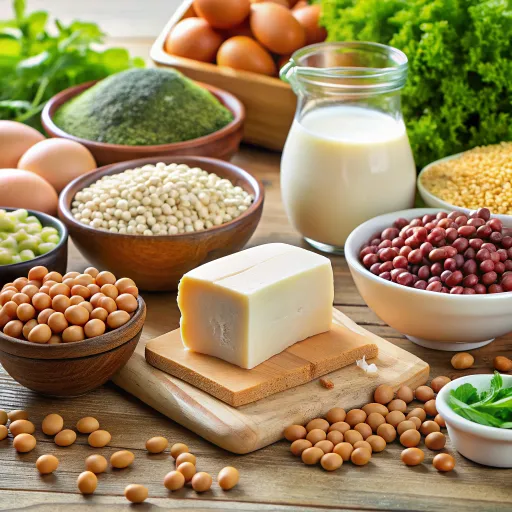
Proteins are essential for muscle maintenance and repair, playing a critical role in body composition. Consuming adequate protein can help women maintain lean muscle, even while losing body fat. Carbohydrates, on the other hand, provide energy for daily activities and exercise, but the type and quantity matter; whole grains and complex carbs are favorable over refined sugars and starches.
Fats, especially essential fatty acids, contribute to hormone production and cell health, impacting body composition. Women should include healthy fats like those found in avocados, nuts, and olive oil. By balancing nutrient intake and focusing on quality food sources, women can influence their body shape while supporting hormonal health.

Discover the Science of Balance
Stay informed with updates on nutrition's role in hormonal harmony and body shape.
Gain early access to expert insights and updates as we explore the intricate connections between nutrition and women's health. Stay ahead with well-researched information delivered to you.